Route Trains Seat View Stations Comfort Luggage Tickets Arrival FAQ Search trains

Tokyo to Kyoto Train — Chasing Mt. Fuji Down the Original Tōkaidō Line

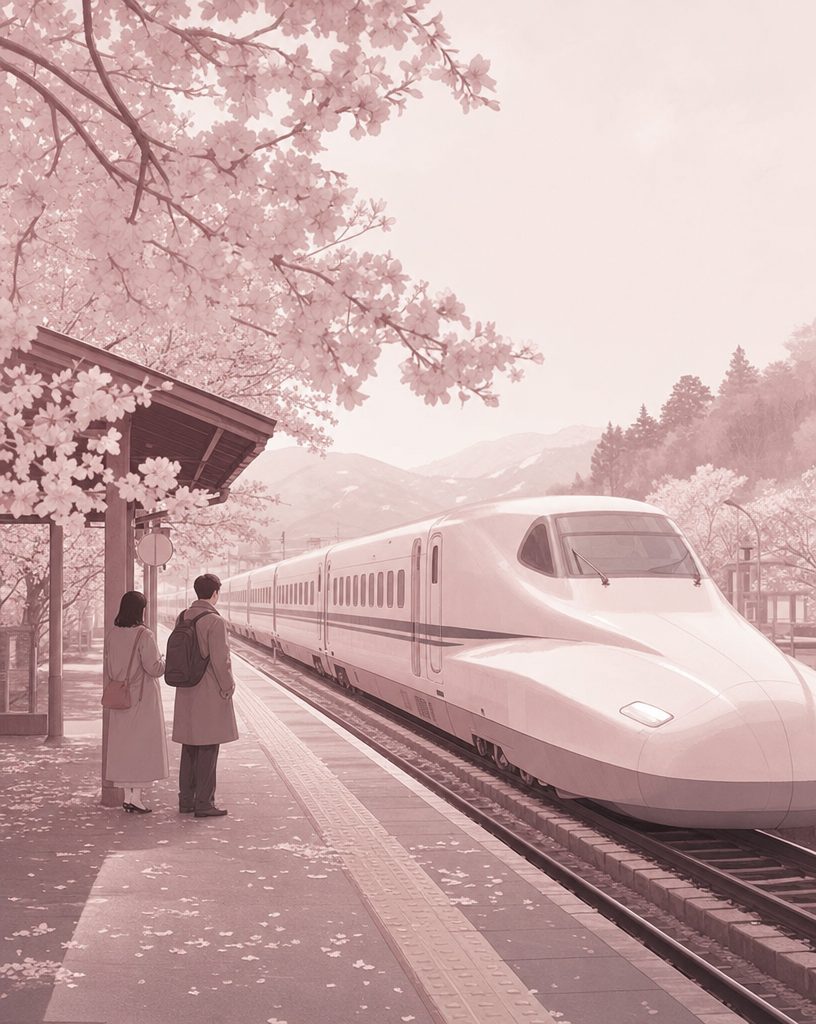
Nozomi, Hikari, and Kodama all run this exact track — the same one Hiroshige walked in 1832, with Mt. Fuji passing by the window on a clear day.
2h 13mFastest (Nozomi)
515 kmDistance
3Shinkansen types
~$89Cheapest fare
Older than the bullet train itself

One Road, Two Eras: The Original Tōkaidō

Centuries before the Shinkansen existed, the Tōkaidō was Japan's most important road, linking Edo — now Tokyo — to the imperial capital of Kyoto, with 53 official post-stations along the way. When Japan built the world's first high-speed railway in 1964, in time for the Tokyo Olympics, engineers routed it along this same historic corridor.

Tokyo
ShinagawaPost-station 1
Shin-Yokohama
Nagoya
Kyoto
Shin-Osaka+15 min onward

Hiroshige's 53 Stations

In 1832, the artist Utagawa Hiroshige walked the Tōkaidō and produced The Fifty-Three Stations of the Tōkaidō, one of the most famous woodblock print series in Japanese art. Shinagawa — his very first station leaving Edo — is today one of Nozomi's only stops between Tokyo and Nagoya.

Why the Train Passes Mt. Fuji

Much of the modern line threads the same mountains and coastline the old road did, including the Hakone area. That overlap is exactly why the train's most famous view — Mt. Fuji — was also a favorite subject of Hiroshige and other Edo-period woodblock artists.

Not all bullet trains are equal

Nozomi, Hikari, or Kodama? The Tokyo-Kyoto Bullet Train Fine Print

All three are Tokaido Shinkansen bullet trains, and this is one of Japan's busiest bullet train routes — but they run the same 515 km of track between Tokyo Station and Kyoto Station in very different ways. What changes is how many stations they call at along the way, and that difference swings your journey time by almost two hours.

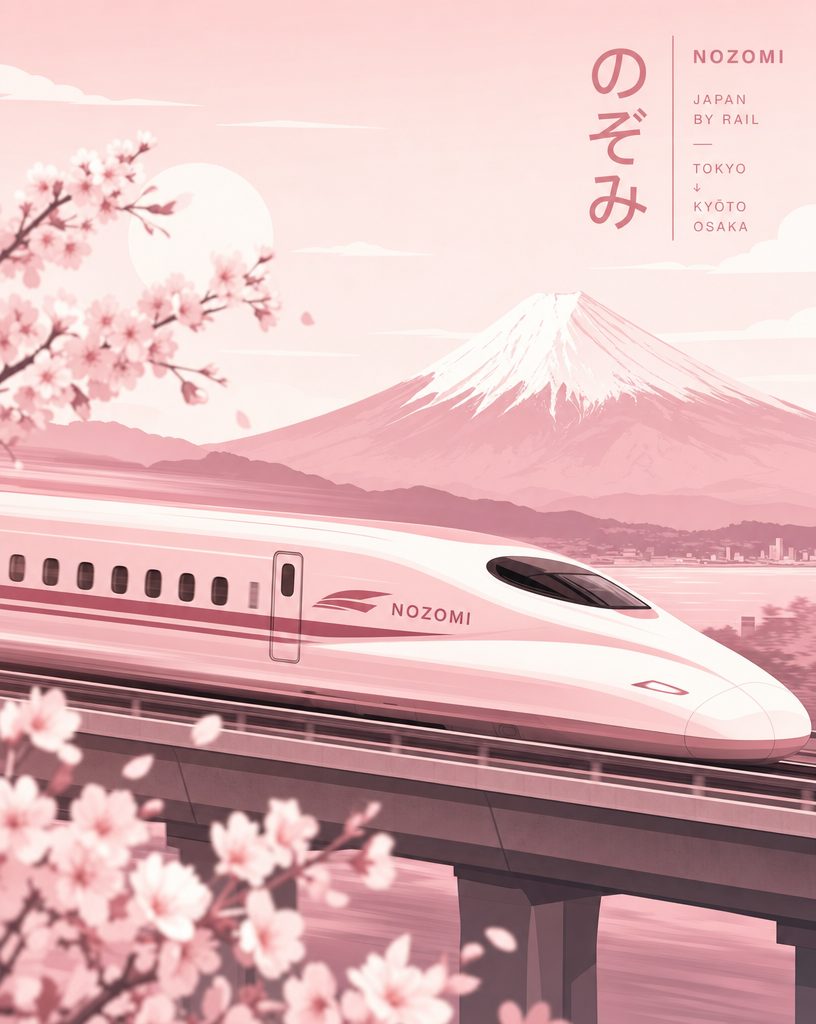
A pastel-pink illustrated Nozomi bullet train speeding past in motion blur along an elevated viaduct
Fastest, fewest stops

Nozomi

Covers Tokyo Station to Kyoto Station in about 2 hours 13 to 17 minutes, calling only at major hubs like Shinagawa, Shin-Yokohama, and Nagoya. The catch: Nozomi is not included in the standard Japan Rail Pass — pass holders pay a separate supplement to ride it. Worth it if you're short on time or traveling during a busy weekend when reserved seats sell out first.

A pastel-pink illustrated Hikari bullet train pulling into a quiet countryside station platform
JR Pass covered

Hikari

A close second on speed at around 2 hours 40 minutes, with a handful of extra station stops that vary by departure. Hikari is fully included in the national Japan Rail Pass at no extra charge — the practical default for pass holders making this run.

A pastel-pink illustrated Kodama bullet train stopped at a small local countryside station
Every station, same fare as Hikari

Kodama

Stops at every station on the line, so the full Tokyo-Kyoto run takes close to 4 hours — nearly double Nozomi's time. Kodama fares match Hikari's, so it mainly suits travelers who want to hop off partway, or who are already riding on a rail pass and aren't in a hurry.

The one view worth planning a seat around

Which Side for Mt. Fuji?

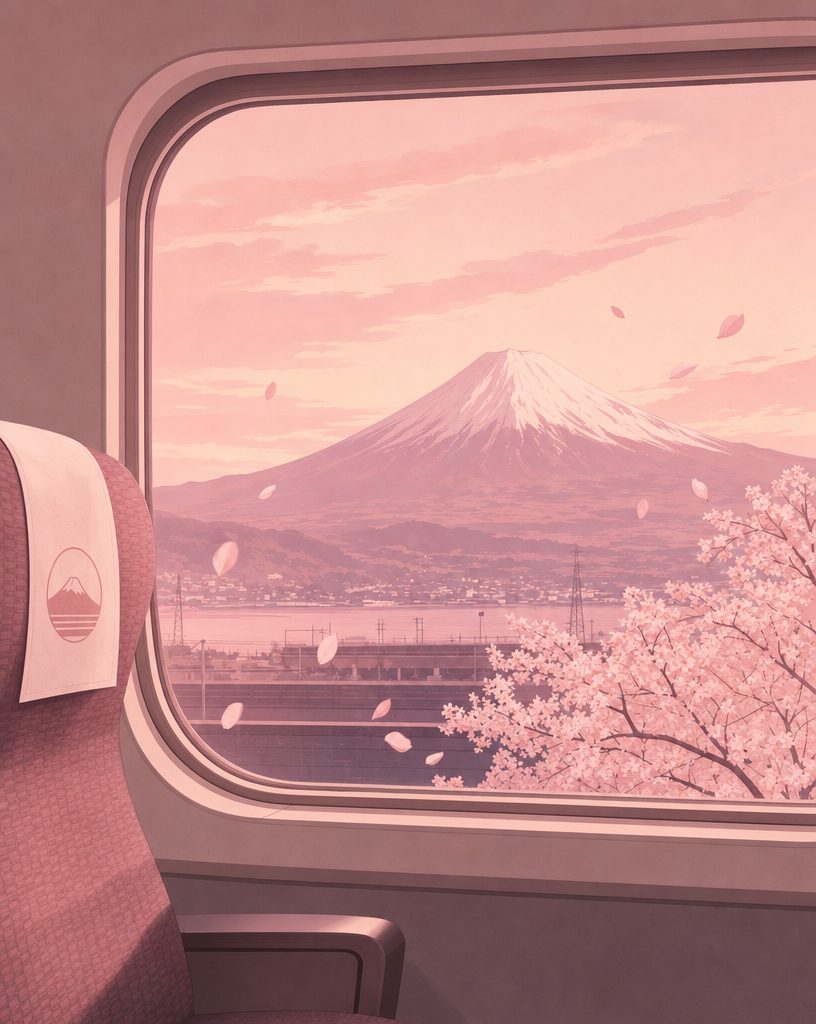
About 40 to 45 minutes out of Tokyo, the Tokaido Shinkansen runs directly past Mt. Fuji — on a clear day, one of the best unplanned views on any train in Japan. Direction matters more than seat number, so pick your leg below.

View of Mt. Fuji and cherry blossoms through a Shinkansen train window
Mirrored view of Mt. Fuji through a Shinkansen train window on the return leg toward Tokyo
Right-hand window

Sit on the Right

Heading toward Kyoto, Fuji appears on the right about 40–45 minutes after departure, near Shin-Fuji Station. Never guaranteed — cloud and haze hide the peak often.

Left-hand window

Sit on the Left

Riding back toward Tokyo, the view swaps to the left-hand side at the same point in the journey. Same 40–45 minute window, same no-guarantee weather.

Three departure points, one destination

Tokyo Station, Shinagawa, or Haneda? Picking Your Start

Nozomi, Hikari, and Kodama all call at more than one Tokyo-area station, so the best one to use depends on where you're actually staying — or flying into.

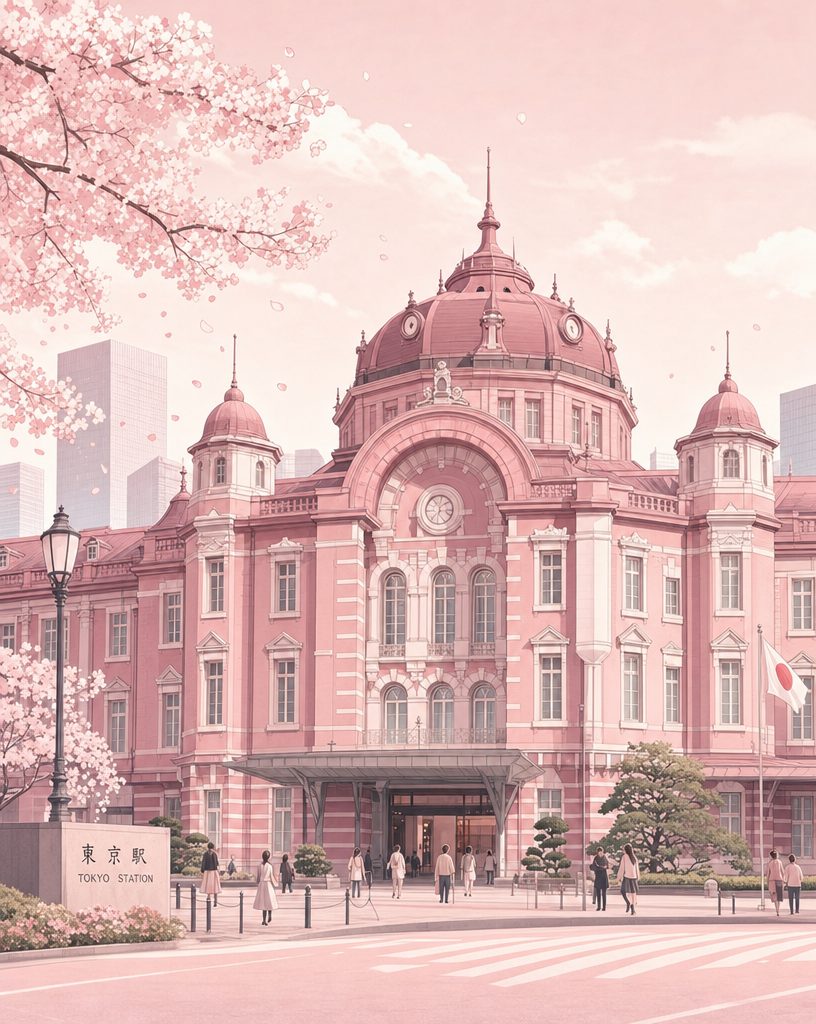
Illustration of Tokyo Station's red-brick Marunouchi facade, rendered in soft pastel pink tones
Main terminus

Tokyo Station

The starting point for most Tokaido Shinkansen services and the easiest to navigate for first-time riders, with direct access to the Yamanote Line loop, several subway lines, and plenty of connecting buses. Budget a few extra minutes to walk between the Shinkansen platforms and the conventional JR concourse — the two are on opposite sides of a large station building, connected by a long underground and overground concourse lined with shops, bakeries, and bento counters. Coin lockers of every size are available near most exits if you need to store a bag before sightseeing in central Tokyo.

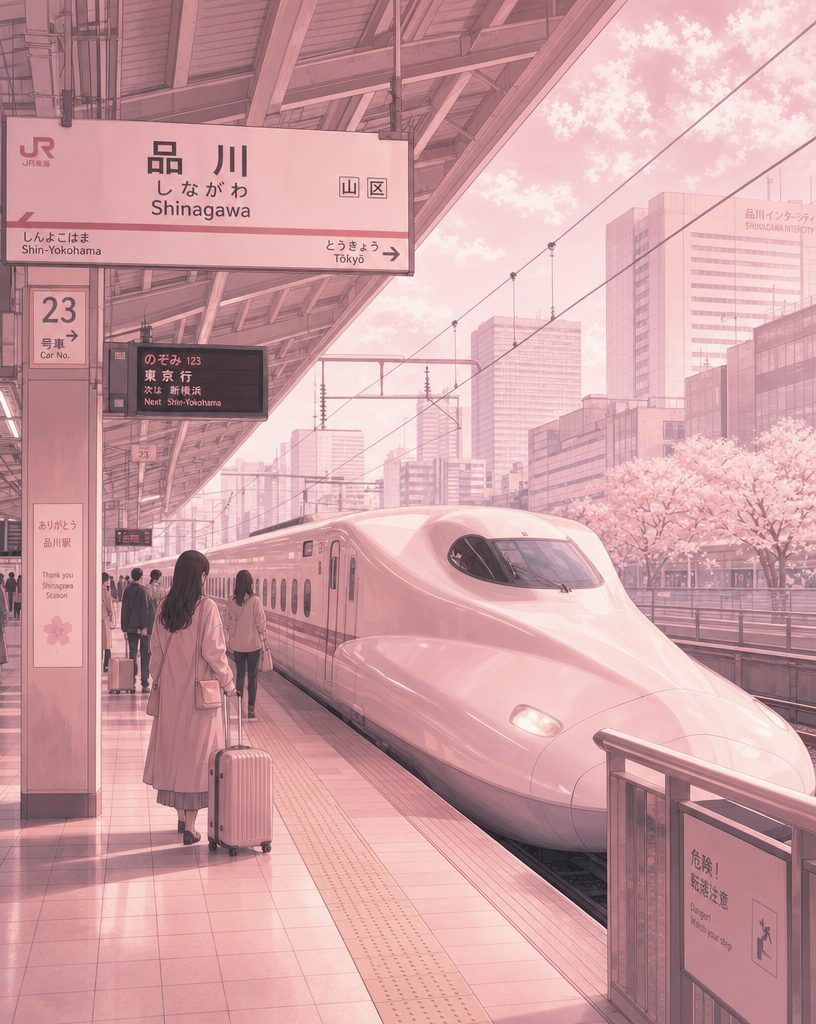
Illustration of a bullet train arriving at Shinagawa Station platform, rendered in soft pastel pink tones
One stop later

Shinagawa Station

Opened as a Shinkansen stop in 2003, Shinagawa is the very next stop after Tokyo Station on every Tokyo-Kyoto route. It's a convenient alternative if your hotel is in southern Tokyo, and it's noticeably closer to Haneda Airport than Tokyo Station is. The station itself is quieter and easier to navigate than Tokyo Station, with a single level connecting the Shinkansen gates to the JR and subway lines, plus a cluster of hotels built directly into the station complex for travelers catching an early departure.

Illustration of the Tokyo Monorail connecting Haneda Airport to the city, rendered in soft pastel pink tones
Flying in

Starting From Haneda Airport

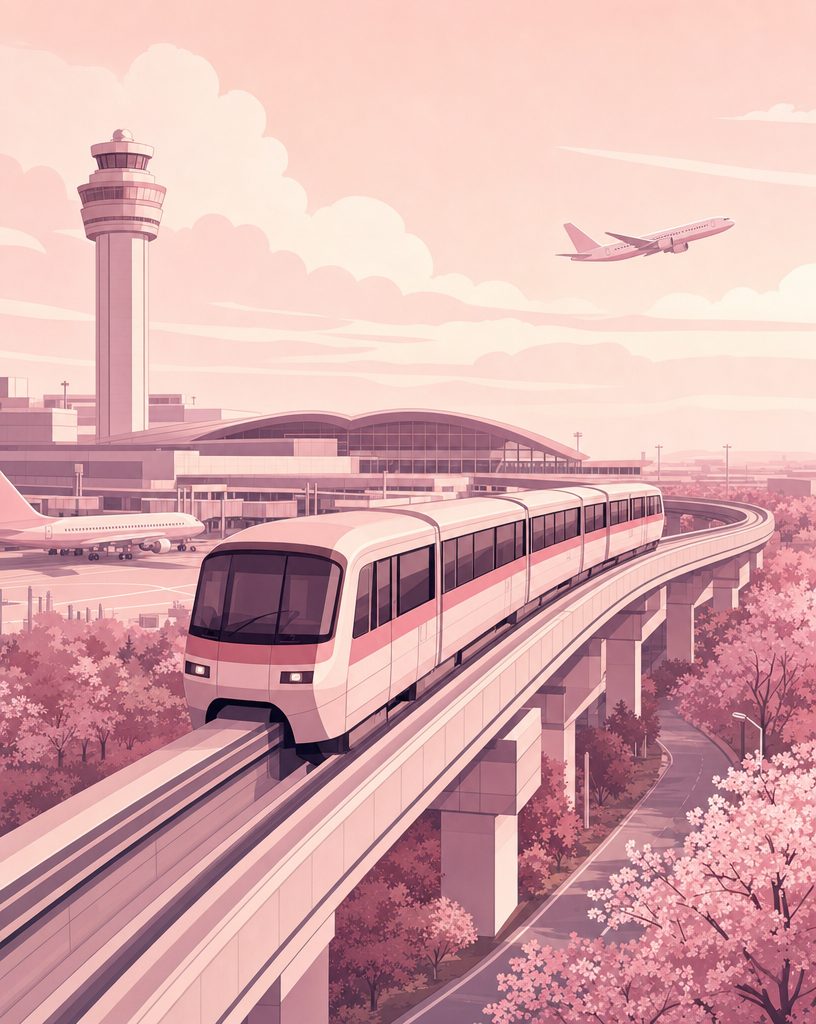
Travelers landing at Haneda can reach Shinagawa Station in around 15 to 20 minutes by monorail and train — faster than continuing all the way to Tokyo Station before boarding the Shinkansen. The Tokyo Monorail connects the airport terminals to Hamamatsucho, where a quick transfer onto the JR Yamanote Line reaches Shinagawa in just a couple of stops, making this the fastest route into the Shinkansen network for anyone arriving on a domestic or international flight.

Illustration of Kyoto Station's glass-and-steel atrium interior, rendered in soft pastel pink tones
Journey's end

Kyoto Station

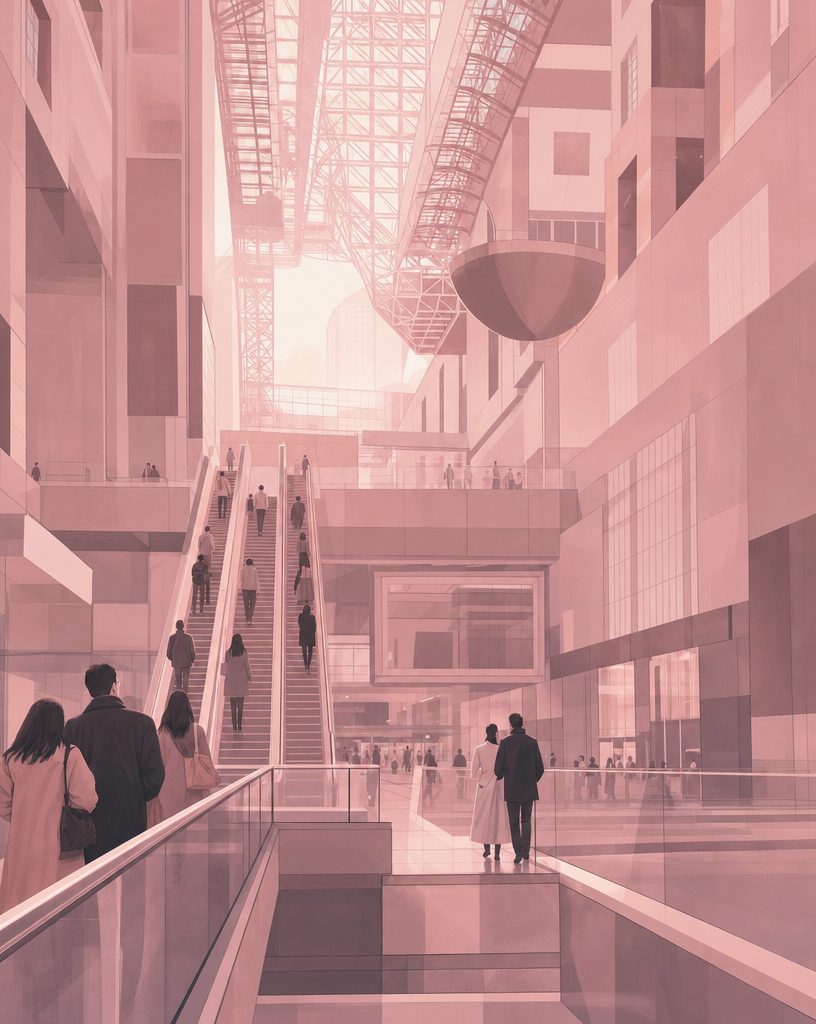
A major hub in its own right, with shops, restaurants, coin lockers a short walk from the platforms, and direct connections to the city subway, buses, and taxis — most of which reach Kyoto's temples and neighborhoods within 20 to 30 minutes. The station building's soaring glass-and-steel atrium is worth a look on its own, with a rooftop garden, a department store, and Kyoto Tower visible just across the square outside the central exit.

Two and a half hours, well spent

Onboard Comfort: What to Expect

This is a long enough ride that the small details matter — tray tables, where your bag goes, and whether you've booked the right car for your budget.

Illustration of a fold-down tray table and power outlet at a train window seat, in soft pastel pink tones
Every seat

Tray Tables & Power Outlets

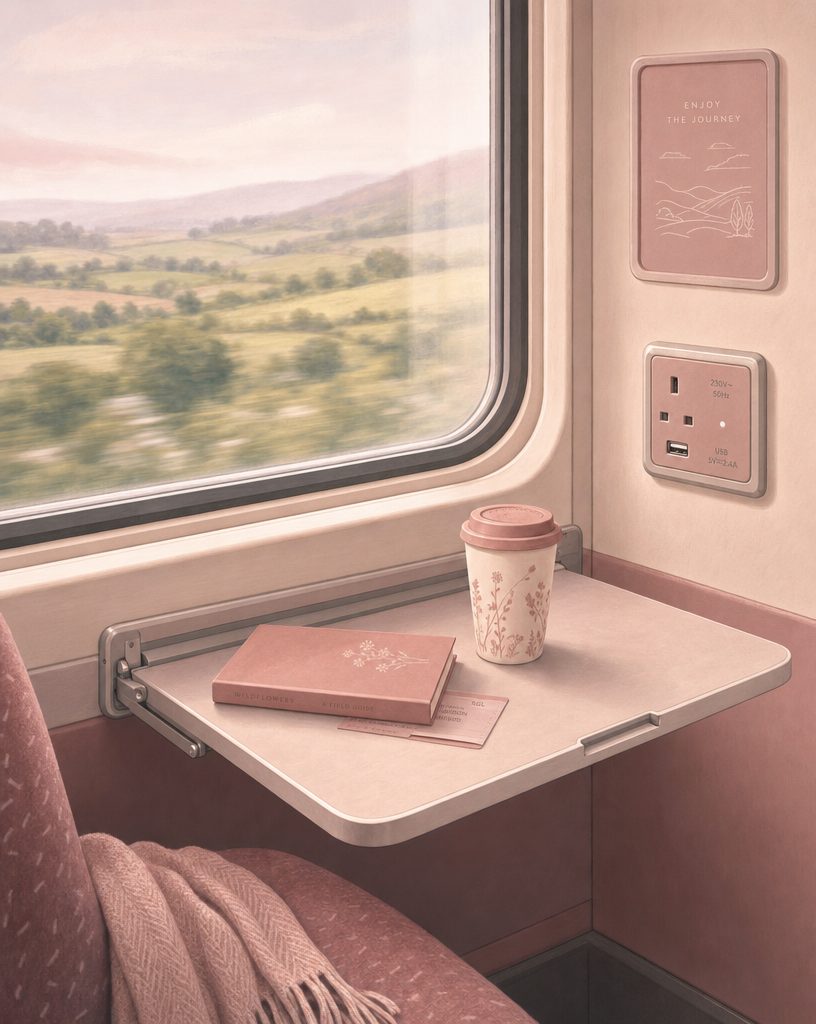
Every seat folds down a tray table, and most cars have a power outlet at every row or at least at the window seats — handy for the full 2-and-a-half-hour ride.

Illustration of a wide Green Car reserved seat inside a bullet train, in soft pastel pink tones
Ordinary vs Green Car

3-2 or 2-2 Seating

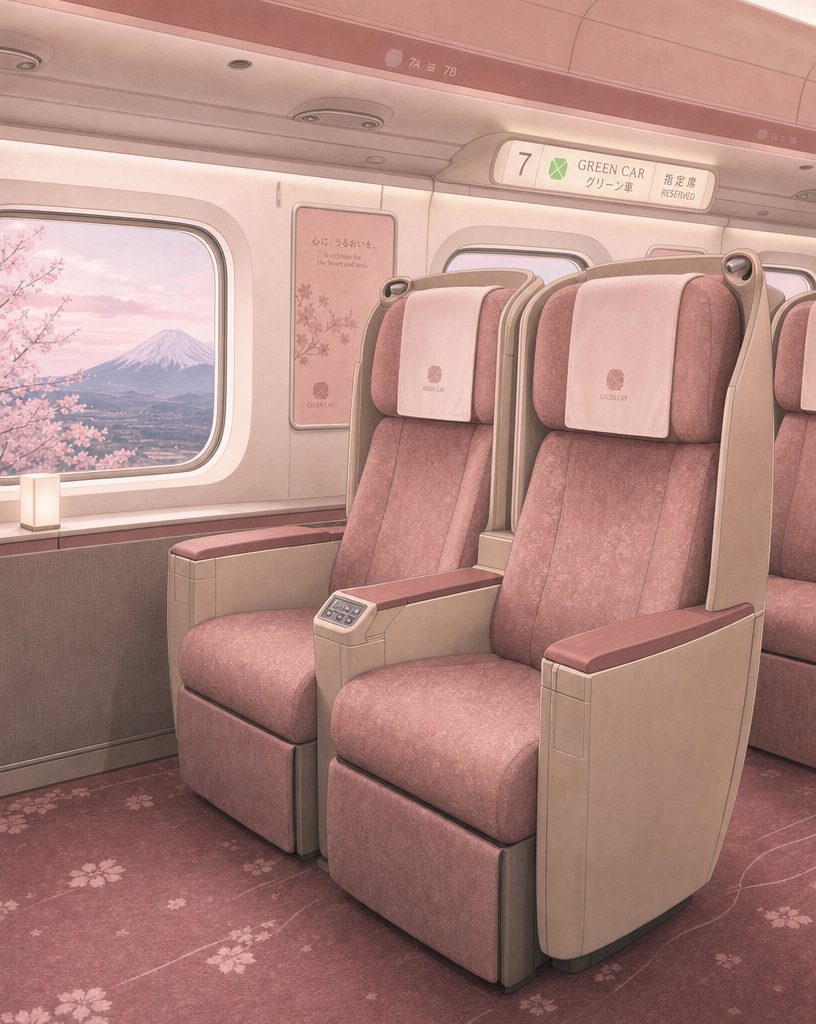
Ordinary Car uses 3-2 seating and is perfectly comfortable for this route. Green Car steps up to wider 2-2 seating and a quieter cabin for a moderate premium — a comfort upgrade, not a necessity.

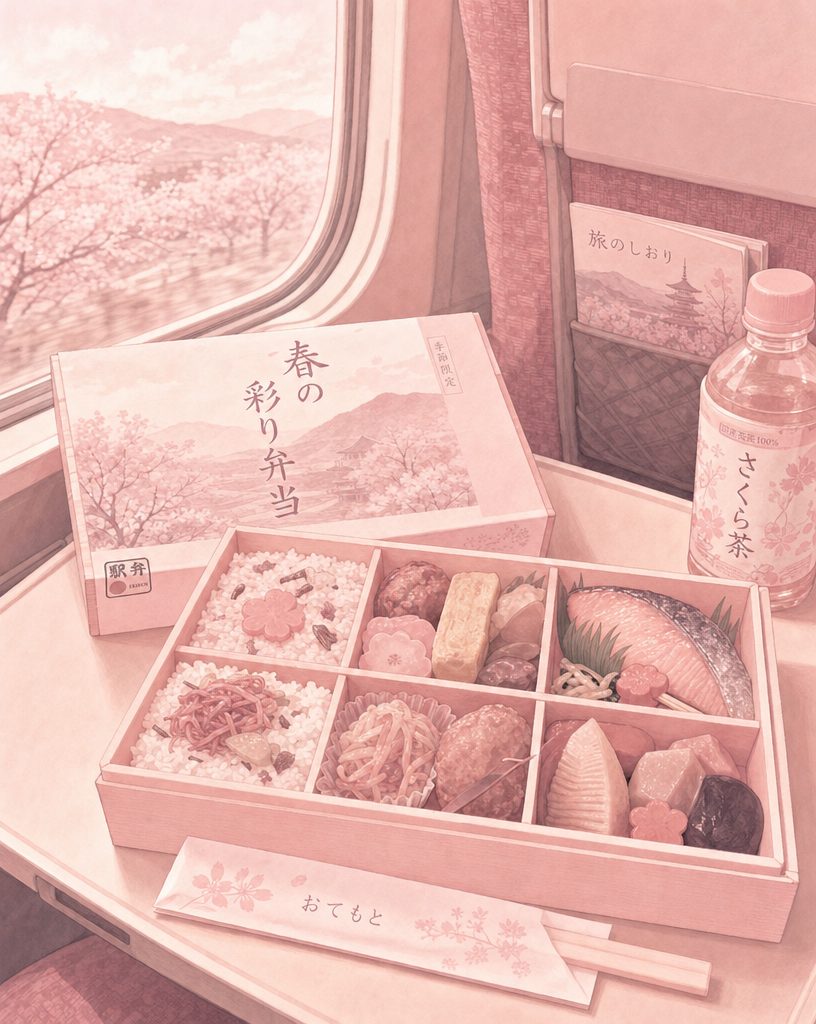
Illustration of a Japanese ekiben bento box on a train tray table, in soft pastel pink tones
No dining car

Ekiben & Trolley Service

Today's Tokaido Shinkansen has no dining car, but station kiosks sell ekiben — regional bento boxes — before boarding, and an onboard trolley service passes through with drinks and snacks.

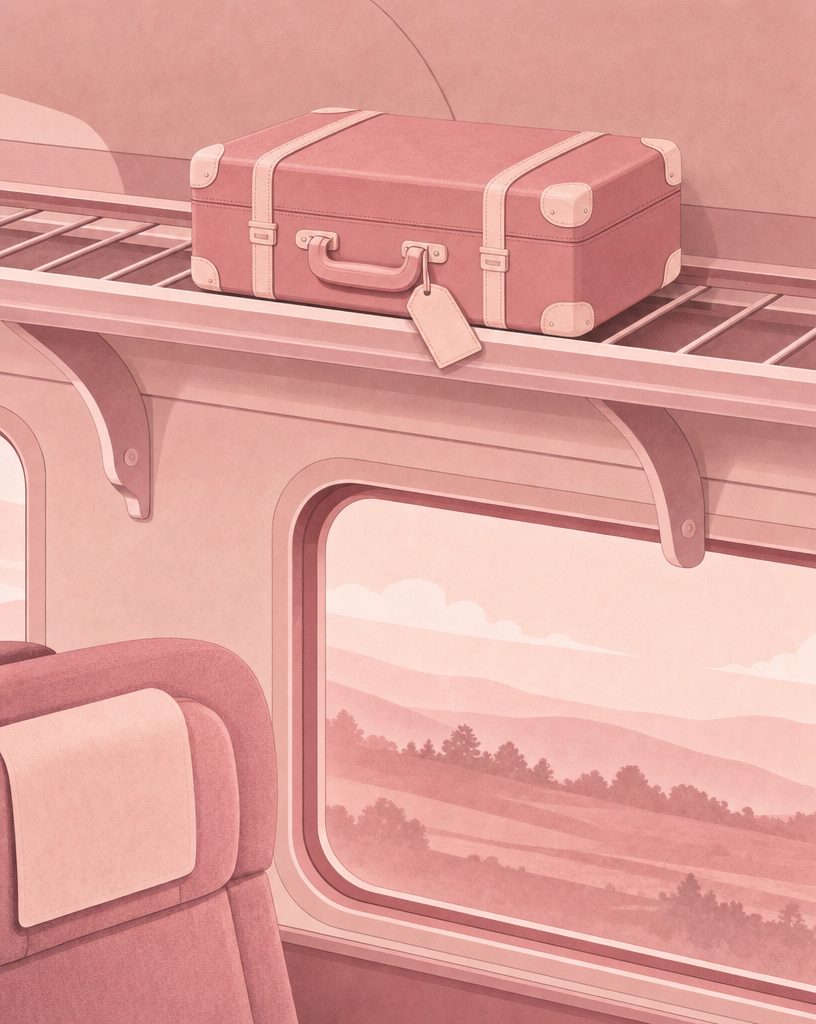
Illustration of a suitcase on an overhead luggage rack inside a train carriage, in soft pastel pink tones
Reservation required over 160cm

Oversized Luggage

A suitcase over 160cm in combined dimensions needs a free oversized-luggage seat reservation, booked with your regular seat. Bags over 250cm aren't accepted on board at all.

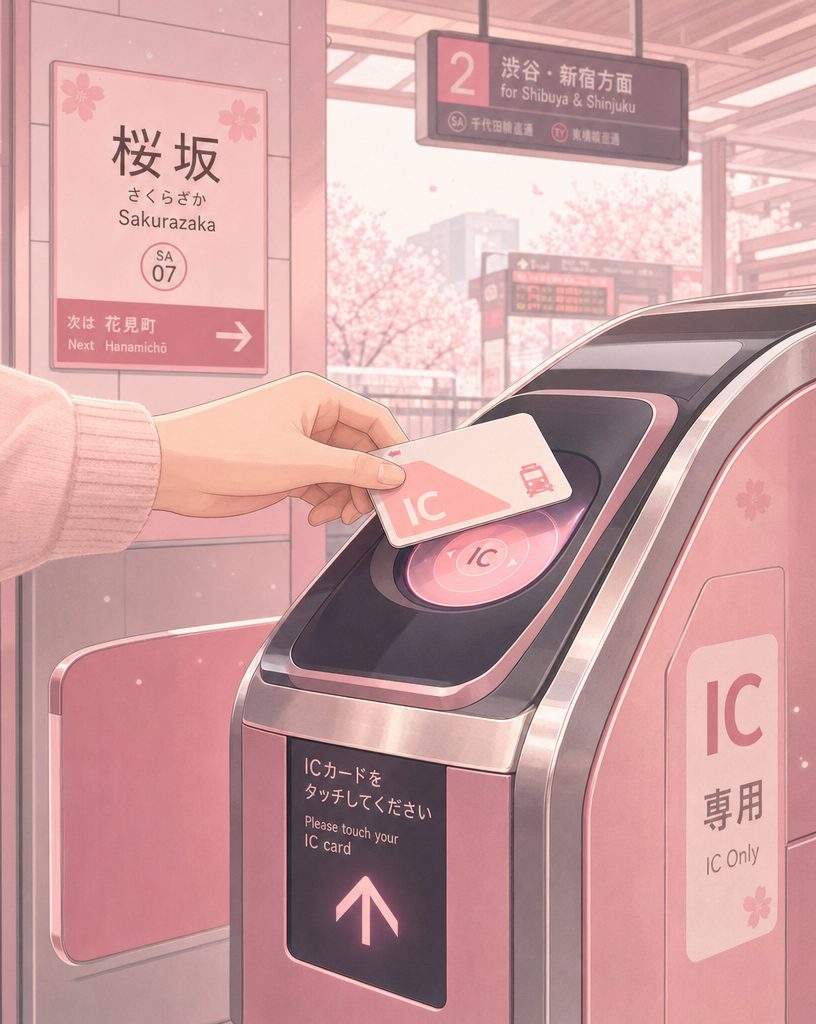
Illustration of a hand tapping an IC transit card at a Japanese station ticket gate, in soft pastel pink tones
Not covered by city IC cards

Suica & Pasmo Don't Work Alone

Unlike city trains and buses, a standard IC card doesn't cover Shinkansen fares by itself — it needs to be linked through JR's Smart-EX/EX-IC reservation system, or paired with a separate Shinkansen ticket at the gate.

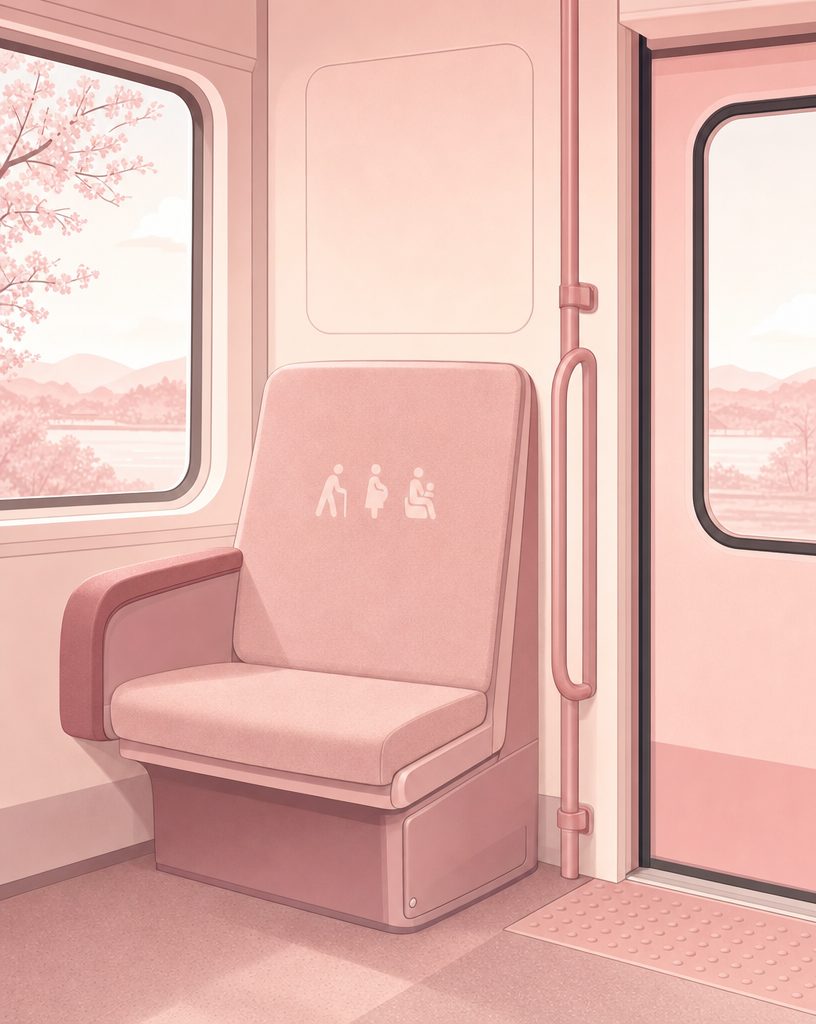
Illustration of a wide accessible priority seat near a train door, in soft pastel pink tones
Every car

Priority Seating

Every Tokaido Shinkansen train sets aside priority seats near the doors for elderly, pregnant, and disabled passengers, plus dedicated wheelchair and stroller spaces.

Before you pack

How Much Luggage Can You Bring: The Size Rules

The Tokaido Shinkansen doesn't limit luggage by weight or piece count, but it does care about size — and the largest tier needs a free reservation made in advance.

H W H + W + D ≤ 160 cm
Up to 160cm combined

Standard — No Reservation Needed

Most carry-ons and check-in-sized suitcases fall under 160cm (height + width + depth combined). These fit on the overhead rack or beside your seat, no extra booking required.

160–250cm combined

Oversized — Free Seat Reservation Required

Large suitcases between 160cm and 250cm need a free oversized-luggage seat reservation, made at the same time as your regular seat — these seats are the last row of a car, with extra space built in behind them.

Over 250cm

Not Accepted Onboard

Anything larger than 250cm combined isn't allowed on the train at all. Ship it ahead instead — hotel-to-hotel luggage forwarding (takuhaibin) is fast, inexpensive, and common practice across Japan.

Before you board

Tickets, Seats, and the Japan Rail Pass Question

Booking this route is straightforward, but a few choices — reserved seat or not, pass or single ticket, paper or QR code — are worth understanding before you compare price and seat type at the gate.

Most Tokaido Shinkansen trains carry both. A non-reserved seat is slightly cheaper but doesn't guarantee a spot during busy periods — worth reserving if you're travelling with luggage or during peak season.

Several booking services now issue a QR code instead of a paper ticket — just scan the QR code at the gate, no counter needed. A traditional paper ticket still works everywhere on this route too, so use whichever booking method you're most comfortable with.

A reserved Ordinary Car seat runs around $96 on Nozomi, versus about $93 on Hikari or Kodama — and roughly $89 for a non-reserved seat on the two slower trains.

For a single Tokyo-Kyoto round trip alone, usually not — that trip costs around $180, well under the 7-day Ordinary Pass's roughly $330 price. The math changes if you're continuing on to Hiroshima, Fukuoka, or making several other long-distance rides within the pass window.

Since October 2023, Japan Rail Pass holders can ride Nozomi by paying a supplement at the gate or station, on top of Hikari and Kodama, which the pass already includes at no extra charge.

Tickets can be bought at bilingual station machines or a staffed JR ticket office, or booked ahead online through official reservation services and collected — or verified by QR code — at the gate.

Tickets can be bought minutes before departure. Booking a day or two ahead only matters for guaranteeing a reserved seat during cherry blossom or autumn foliage season.

All Green Car seats are reserved, with wider 2-2 seating and a quieter cabin — the same journey time as Ordinary Car, just more comfortable, for a moderate fare premium.

The trip doesn't have to end at Kyoto Station

Once You're in Kyoto: Nara, Gion & Shin-Osaka

Kyoto Station is a hub in its own right, with same-station connections that make it easy to keep going — for an afternoon or for the rest of your trip.

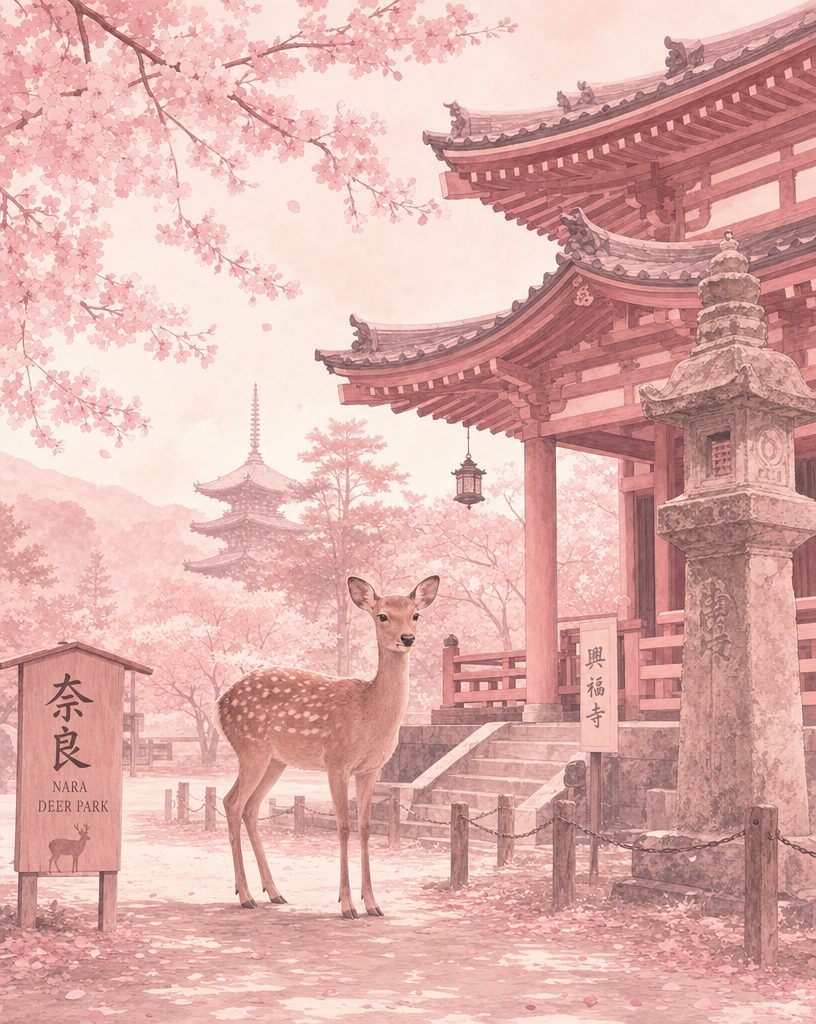
Traditional temple architecture and a bowing deer in Nara, a short JR ride from Kyoto Station
JR Nara Line · ~45 min

Nara

Kyoto Station connects directly to the JR Nara Line, reaching Nara's temples and its famously unbothered bowing deer in about 45 minutes — an easy half-day trip if you've got time either side of your Shinkansen connection.

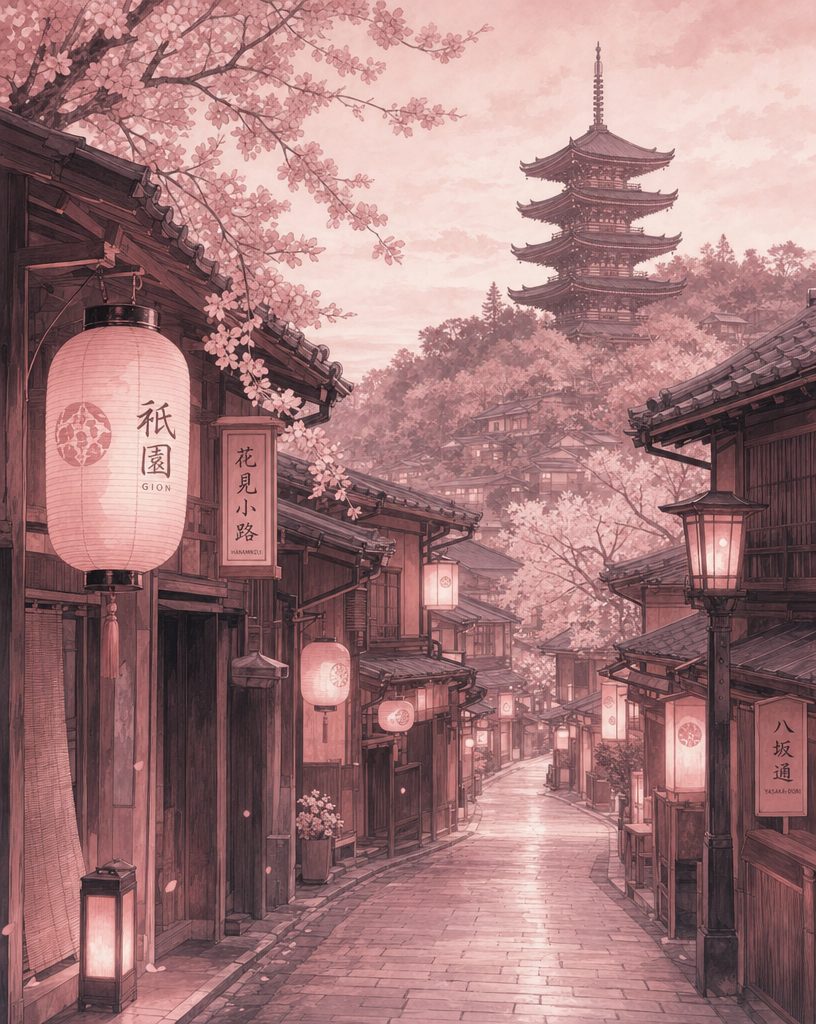
Lantern-lit lane in Gion, Kyoto's historic geisha district, near the Keihan Main Line's Gion-Shijo Station
Keihan Main Line · Gion-Shijō

Gion

The Keihan Main Line's Gion-Shijō Station puts you in the heart of Kyoto's historic geisha district, with lantern-lit lanes, teahouses, and Yasaka Shrine all within easy walking distance.

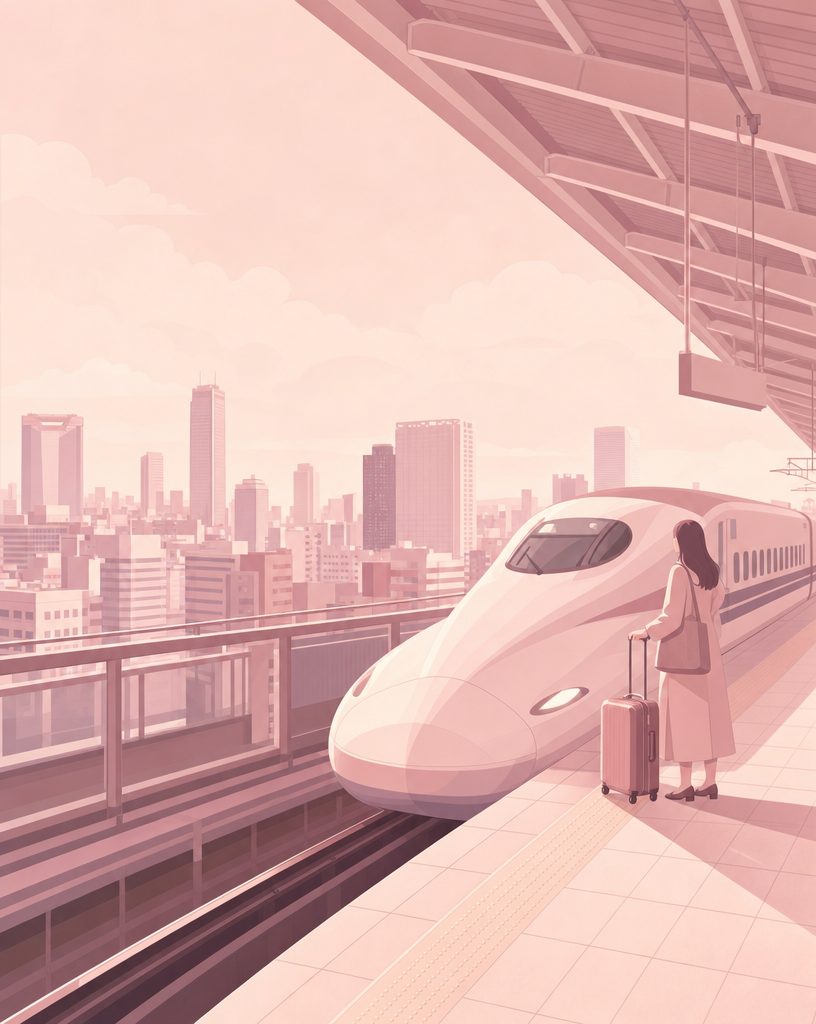
Shin-Osaka Station platform, 15 minutes further down the Tokaido Shinkansen line from Kyoto
Same Shinkansen · +15 min

Shin-Osaka

Nozomi, Hikari, and Kodama all continue on past Kyoto to Shin-Osaka in around 15 more minutes — no need to change trains if Osaka is next on your route.

Common questions

Tokyo to Kyoto Train FAQ

Everything travelers ask us before booking this specific ride.

How long does the train from Tokyo to Kyoto take?

It depends on the train. Nozomi, the fastest Shinkansen, covers Tokyo Station to Kyoto Station in about 2 hours 13 to 17 minutes. Hikari takes around 2 hours 40 minutes with a few extra stops. Kodama, which stops at every station on the line, takes close to 4 hours.

What is the cheapest way to get from Tokyo to Kyoto?

An unreserved seat on Hikari or Kodama is the cheapest option, at roughly $89 one-way. A reserved seat on the same trains runs about $93, and Nozomi costs the most at around $96 for a reserved seat, since it isn't covered by the standard Japan Rail Pass without an extra supplement.

What is the fastest way to get from Tokyo to Kyoto?

Nozomi, at around 2 hours 13 to 17 minutes between Tokyo Station and Kyoto Station. It makes the fewest stops of the three Tokaido Shinkansen services, calling only at major hubs like Shinagawa, Shin-Yokohama, and Nagoya.

Is the Japan Rail Pass worth it for a Tokyo to Kyoto trip?

Usually not for a single round trip alone — a standard Tokyo-Kyoto round trip costs roughly $180, well under the 7-day Ordinary Pass's price of around $330. The pass starts to pencil out if you're continuing on to Hiroshima, Fukuoka, or making several other long-distance Shinkansen trips within its validity window.

Can I see Mt. Fuji from the train, and which side should I sit on?

Yes, on a clear day. Heading from Tokyo toward Kyoto, book a window seat on the right-hand side of the train — around 40 to 45 minutes after departure, near Shin-Fuji Station. On the return leg from Kyoto to Tokyo, the view swaps to the left-hand side. A clear view is never guaranteed; cloud and haze can hide the mountain entirely, even with the right seat.

Which Tokyo station should I depart from — Tokyo Station, Shinagawa, or via Haneda?

Tokyo Station is the starting point for most Tokaido Shinkansen services and the easiest for first-time riders to navigate. Shinagawa Station, one stop later, is a convenient alternative if you're staying in southern Tokyo or arriving via Haneda Airport, which reaches Shinagawa in about 15 to 20 minutes by monorail and train.

Do I need to reserve a seat on the Shinkansen?

Not necessarily. Most Tokaido Shinkansen trains carry both reserved and non-reserved cars, and a non-reserved ticket costs slightly less. Reserving is worth the small extra cost during peak travel seasons or if you're carrying luggage and want a guaranteed spot.

Do I need to book my ticket in advance?

No — tickets can be bought minutes before departure, since Shinkansen booking has no advance-purchase requirement. Booking a day or two ahead is still worth doing during cherry blossom season or autumn foliage season, mainly to guarantee a reserved seat rather than to save money.

Can I bring large luggage on board?

Yes, but any suitcase over 160cm in combined dimensions needs a free, mandatory oversized-luggage seat reservation, booked through the same step as your regular seat. Luggage over 250cm total isn't accepted on board at all, and arriving without a reservation for an oversized bag can mean a 1,000 yen fee.

What's the difference between Nozomi, Hikari, and Kodama?

All three are Tokaido Shinkansen bullet trains covering the same Tokyo-Kyoto track, but they stop at different numbers of stations. Nozomi is fastest with the fewest stops; Hikari adds a handful of stops for a modest time increase and is fully covered by the Japan Rail Pass; Kodama stops everywhere and takes nearly twice as long as Nozomi.

Can I use my Suica or Pasmo IC card to ride the Shinkansen?

Not on its own. A standard IC card that works for city trains and buses doesn't cover Shinkansen fares by itself — it can only be combined with a separate Shinkansen ticket at some gates, or linked through JR's own Smart-EX/EX-IC reservation system for tap-in boarding.

Is there a Green Car, and does this route have Gran Class?

Yes to Green Car, no to Gran Class. The Tokaido Shinkansen's Green Car offers wider 2-2 reserved seating and a quieter cabin for a moderate premium over Ordinary Car. Gran Class is a premium cabin found on the Tohoku, Hokkaido, and some Hokuriku Shinkansen lines further north — it doesn't exist on the Tokyo-Kyoto route.

What can I do once I arrive in Kyoto?

Kyoto Station connects directly to the JR Nara Line for an easy day trip to Nara in about 45 minutes, and to the Keihan Main Line's Gion-Shijo Station for Kyoto's historic geisha district. Nozomi, Hikari, and Kodama all continue past Kyoto to Shin-Osaka in around 15 more minutes if Osaka is next on your route.

Does the Shinkansen run overnight between Tokyo and Kyoto?

No. Like most Japanese railways, Tokaido Shinkansen service stops for the night, with the last trains departing mid-evening and the first services resuming around 6am. Check the live timetable for your specific date rather than assuming a fixed time.

Can I get a refund or change my ticket if my plans change?

Yes. An unused reserved-seat ticket can be refunded before departure for a small cancellation fee, and changing to an earlier or later train on the same day is usually free at the ticket gate as long as the original ticket is unused. Once a train has departed, that specific ticket can no longer be refunded or exchanged.
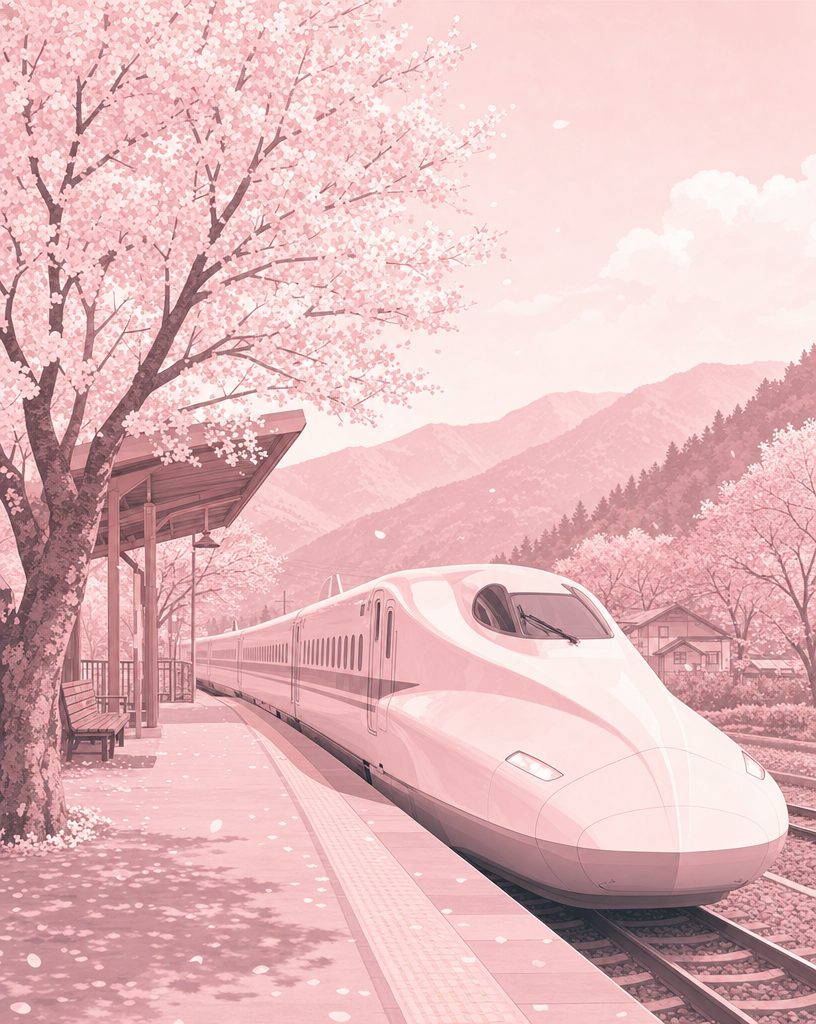
Ready to Book Your Tokyo to Kyoto Train?

Compare live times and fares across Nozomi, Hikari, and Kodama in one search.

Search trains